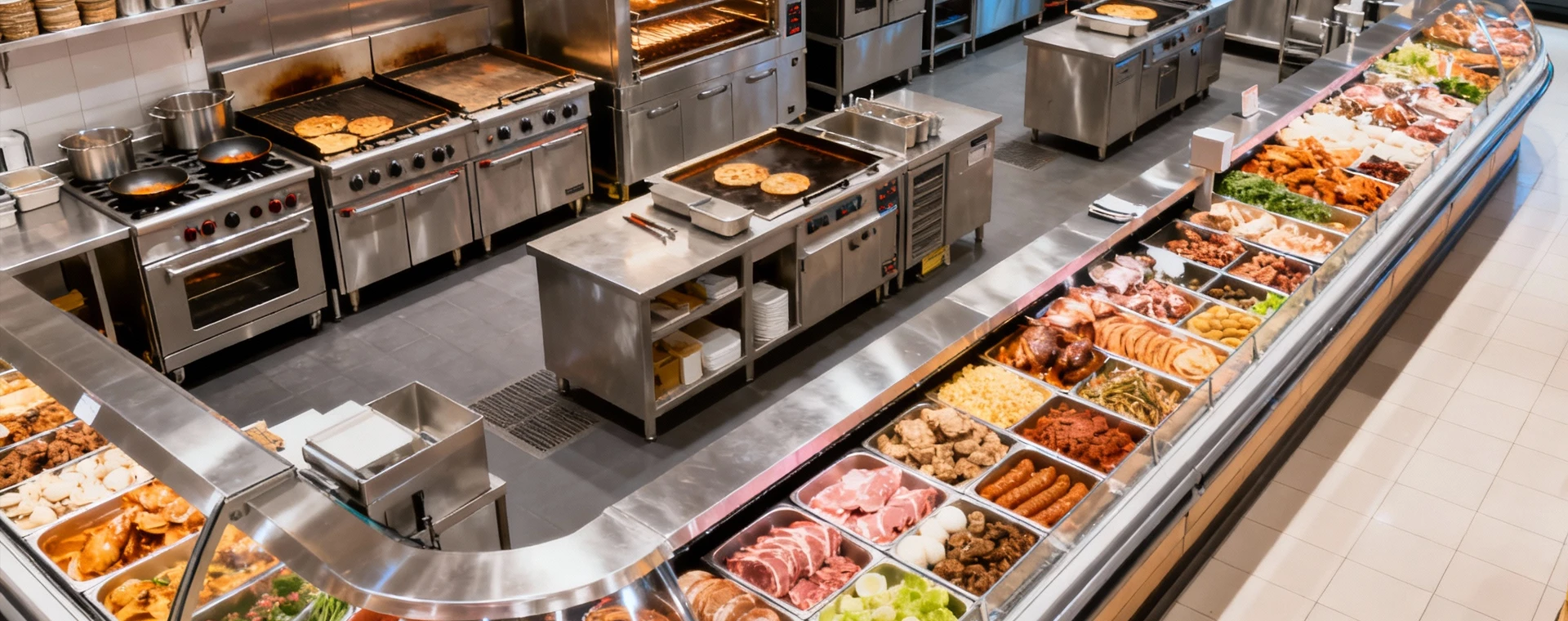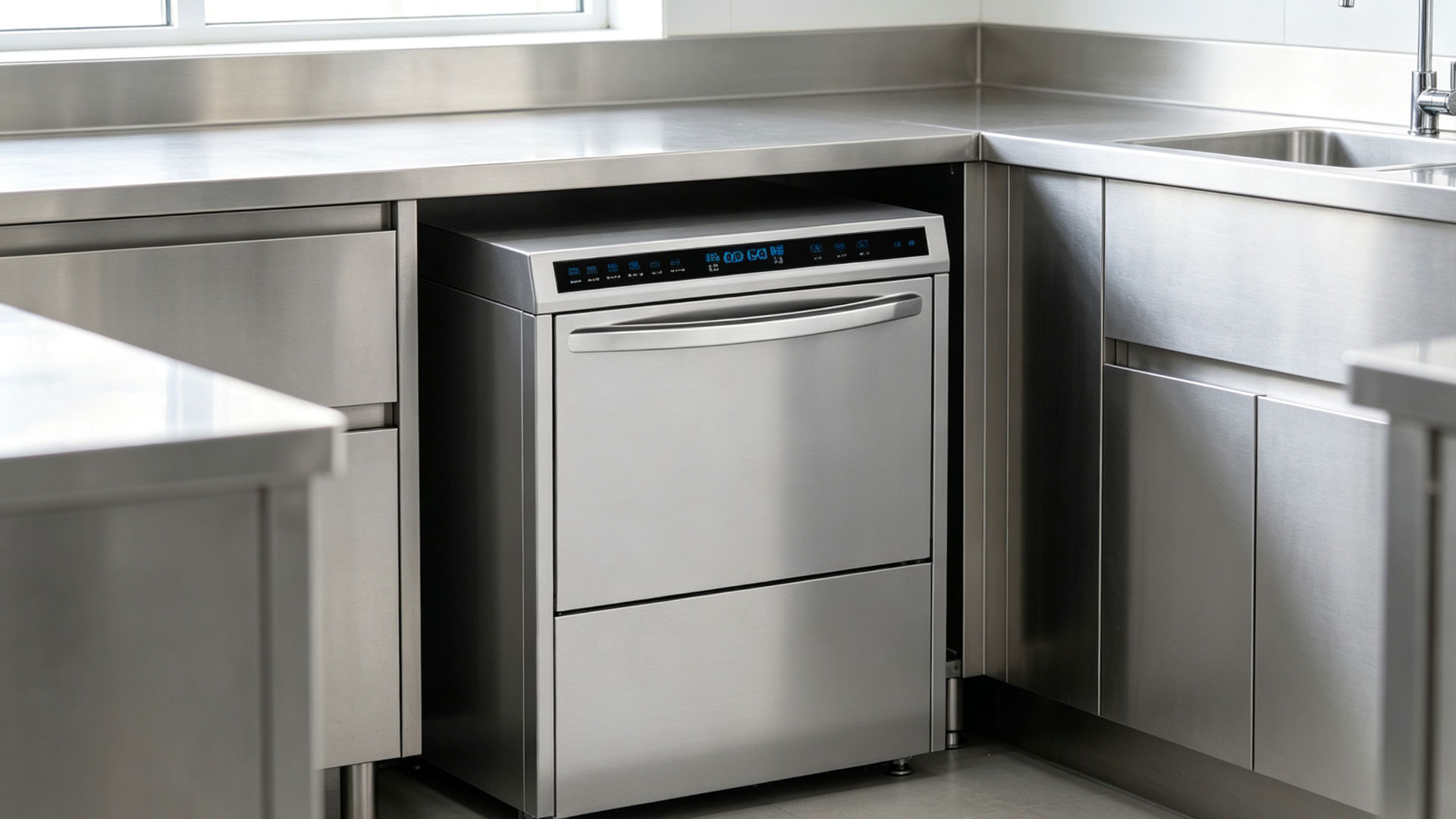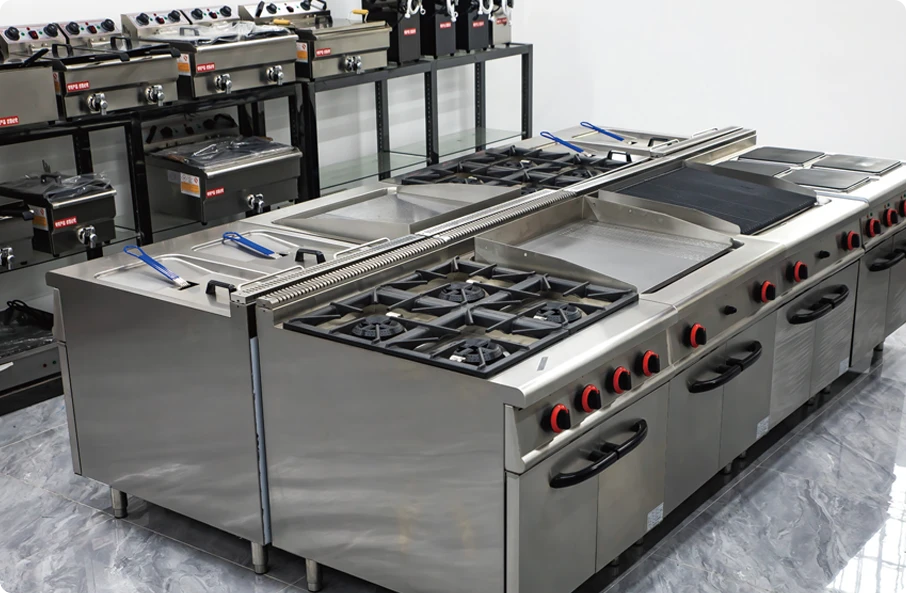
Opening a successful fried chicken restaurant requires more than just purchasing a standard fryer; it demands a seamlessly integrated kitchen workflow. The core equipment needed to open a fried chicken restaurant includes a commercial vacuum marinator, breading station, pressure fryer, fry dump station, and a commercial chicken holding cabinet. Incorrect equipment selection leads to inconsistent food quality, slow peak-hour service, and inflated labor costs. This guide breaks down how to select the right commercial fried chicken equipment based on production capacity, workflow design, and long-term operational efficiency to help you build a highly profitable quick-service restaurant (QSR).
Table of Contents
- The Anatomy of a High-Efficiency Fried Chicken Kitchen Workflow
- Essential Fried Chicken Restaurant Setup Equipment
- Sizing Your Equipment: Capacity Matching for Different Restaurant Models
- Evaluating the Best Commercial Equipment for Fried Chicken Business
- Why You Need a Complete Fried Chicken Kitchen Equipment Solution
- Conclusion
1. The Anatomy of a High-Efficiency Fried Chicken Kitchen Workflow
A high-efficiency fried chicken kitchen workflow is organized into five linear stations: meat preparation, breading, cooking, holding, and serving. Structuring your commercial fried chicken equipment linearly prevents cross-contamination between raw and cooked products while ensuring continuous production during peak hours.
Unlike traditional restaurant setups where a chef handles multiple cooking styles, QSR and fried chicken chains rely entirely on standardized production processes. The fundamental problem most new operators face is bottlenecking—for instance, having a high-capacity fryer but a small preparation area, meaning the chicken cannot be breaded fast enough to keep the fryer loaded.
When designing the workflow, experienced engineering consultants divide the kitchen into strictly controlled zones. The raw zone handles defrosting, tumbling, and coating. The cooking zone acts as the thermal processing center. The holding and serving zones must be positioned near the front counter to minimize the distance staff must travel to fulfill an order. Integrating reliable fast food equipment into this layout is the most effective way to improve labor efficiency, as it minimizes unnecessary movement and standardizes the output across every shift.
2. Essential Fried Chicken Restaurant Setup Equipment
The complete fried chicken shop kitchen equipment list must include a commercial vacuum tumbler for marination, a commercial breading station for coating, a commercial pressure fryer for cooking bone-in chicken, and a commercial food holding cabinet to maintain serving temperatures.
To achieve a standardized cooking process, each piece of equipment must perform a specific technical function in the production chain.
Meat Preparation: Vacuum Tumblers / Marinators
A commercial vacuum tumbler is essential for high-volume operations because it utilizes negative pressure to open the meat fibers, allowing marinades to penetrate the chicken deeply and rapidly. Traditional static marination can take 12 to 24 hours and often results in uneven flavor. Vacuum tumbling reduces this process to 15-30 minutes, significantly improving daily production volume and ensuring identical flavor profiles across every batch.
Coating and Prep: Commercial Breading Station
A commercial breading station is required for coating chicken efficiently because it integrates a manual or automated sifting mechanism that separates dough balls from usable flour. When chicken is coated, moisture causes the breading mix to clump. If these clumps are not removed, they burn in the fryer, degrading oil quality. A professional breading station features food-grade stainless steel construction, dual-basin designs for wet and dry dips, and a built-in sifter that reduces flour waste by up to 25%, directly lowering operating costs.
The Core Cooking Zone: Commercial Pressure Fryers
The commercial pressure fryer is the heart of the operation. Commercial pressure fryers are selected for bone-in chicken because the enclosed cooking environment traps steam released by the food, raising the pressure inside the vat. This pressure prevents the moisture inside the chicken from boiling away, resulting in a product that is crispy on the outside but incredibly juicy on the inside. Furthermore, pressure frying cooks food faster at lower temperatures compared to open frying, which reduces energy consumption and extends the lifespan of the cooking oil.
Storing and Staging: Chicken Holding Cabinets
A commercial chicken holding cabinet is necessary to maintain serving temperatures without drying out the product. Once the chicken exits the fryer, it must be kept at food-safe temperatures (typically above 60°C/140°F) while retaining its crispy texture. A high-quality commercial fried chicken warmer features precise thermodynamic controls, often utilizing dual-heat systems (dry heat and humidified heat). This balance ensures the breading does not become soggy while the meat retains its internal moisture, allowing operators to cook in large batches ahead of peak rushes.
Packaging and Assembly: Commercial Fry Dump Station
The commercial fry dump station is utilized for draining excess oil and organizing the product for immediate packaging. Featuring overhead heat lamps and heated stainless steel bases, these stations keep side items (like french fries or chicken nuggets) at optimal serving temperatures. They provide a dedicated, well-lit workspace for staff to salt, scoop, and package orders rapidly, dramatically reducing customer waiting times.
3. Sizing Your Equipment: Capacity Matching for Different Restaurant Models
Equipment sizing must be precisely matched to your daily production volume and peak-hour demand to avoid long customer wait times or excessive idle energy consumption. Evaluating your batch cooking capacity—the number of chicken portions you can produce per cycle—is the most critical metric in determining your fried chicken restaurant setup equipment.
Purchasing undersized equipment leads to slow peak-hour production, frustrated customers, and overworked staff. Conversely, heavily oversized equipment results in wasted energy, higher initial capital expenditure, and faster oil degradation (as small batches in large vats expose more oil to oxidation).
Below is a technical comparison table outlining the recommended equipment configurations based on different foodservice business models.
| Restaurant Model | Daily Volume Requirement | Core Cooking Equipment | Prep & Holding Configuration | Procurement & Engineering Focus |
| Independent Fried Chicken Shop | Low to Medium (100-300 orders/day) | 1-2 Commercial Pressure Fryers, 1 Open Fryer | Single Commercial Breading Station, 1 Half-Size Holding Cabinet | Flexibility: Equipment must handle varied menus in a compact footprint. Budget-conscious, manual filtration systems. |
| Fried Chicken Franchise Store | Medium to High (300-800 orders/day) | 3-4 High-Capacity Pressure Fryers (with built-in filtration) | 2 Breading Stations, 1 Full-Size Chicken Holding Cabinet, 1 Dump Station | Standardization: Identical equipment across locations. Easy staff training, consistent taste, reliable batch processing. |
| High-Volume QSR / Central Kitchen | Extremely High (800+ orders/day) | Battery of 4-8 Pressure and Open Fryers (Automated Lifts) | Automated Vacuum Tumblers, Multiple Holding Cabinets, Central Oil Management | Continuous Operation: Reduced labor dependency, rapid recovery times, automated oil filtration to lower consumable costs. |
Note: For franchise networks, partnering with a supplier that offers standardized fast food equipment ensures that every new location replicates the exact same kitchen workflow and product quality.
4. Evaluating the Best Commercial Equipment for Fried Chicken Business
The best commercial equipment for a fried chicken business is evaluated based on fast temperature recovery times, built-in oil filtration capabilities, food-grade 304 stainless steel construction, and precise digital controls that guarantee batch-to-batch consistency.
When evaluating equipment, international buyers and procurement managers should focus on the following technical and operational factors:
1. Oil Management and Filtration Systems
Cooking oil is one of the highest ongoing operational costs in a fried chicken business. Equipment that features built-in, semi-automatic, or fully automatic oil filtration systems is highly recommended. Frequent filtration removes carbonized food particles that cause oil to break down, smoke, and impart bitter flavors. Efficient frying equipment can extend oil life by 30-50%, drastically reducing long-term operating expenses.
2. Temperature Recovery Speed
When a large batch of cold, raw chicken is dropped into a fryer, the oil temperature plummets. The fryer’s ability to quickly return to the target cooking temperature (recovery time) is crucial. Slow recovery means the chicken absorbs too much oil, resulting in a greasy product. Look for equipment with high-efficiency burners or high-kilowatt electric heating elements designed specifically for heavy-duty commercial kitchen environments.
3. Material Durability and Hygiene
Commercial kitchens are harsh, corrosive environments. All contact surfaces, vats, and structural frames should be constructed from heavy-gauge, food-grade stainless steel (typically 304 series). This material resists corrosion from salt, acidic marinades, and hot oil, while also providing an easy-clean surface to meet strict international hygiene and food safety standards.
4. Programmable Digital Controls
To achieve food quality consistency and reduce reliance on highly skilled chefs, modern commercial fried chicken equipment must feature programmable digital controls. These systems allow operators to pre-set time, temperature, and pressure profiles for different menu items (e.g., breasts vs. wings). This ensures the same frying results and portion quality, regardless of which staff member is operating the machine.
5. Why You Need a Complete Fried Chicken Kitchen Equipment Solution
Purchasing a complete fried chicken kitchen equipment solution from a single manufacturer eliminates equipment compatibility issues, optimizes kitchen space, and provides centralized after-sales support, reducing overall procurement risks and long-term maintenance costs.
Many independent operators make the mistake of sourcing their breading station from one supplier, their fryers from another, and their holding cabinets from a local distributor. This fragmented approach often leads to workflow bottlenecks. For example, your holding cabinet may not have the capacity to store the output of your pressure fryers, causing food to sit out and cool.
Buyers opening a QSR require a supplier who can provide equipment matching and total kitchen workflow planning. A complete production line configuration ensures that the output capacity of the preparation zone perfectly matches the throughput of the cooking zone, which in turn matches the staging capacity of the holding zone.
Furthermore, working directly with a professional manufacturer allows for customized foodservice solutions. Whether you require specific voltage modifications for international export, specialized dimensions to fit a unique kitchen layout, or OEM/ODM manufacturing support to build your franchise brand, an integrated factory partner provides the stable supply chain and engineering expertise required for large-scale foodservice rollouts.
6. Conclusion
Successfully launching and scaling a fried chicken restaurant requires a highly optimized kitchen ecosystem. The decision to select commercial fried chicken equipment should not be based solely on the lowest initial price, but on the equipment’s ability to maintain cooking consistency, accelerate service speed, and lower long-term operating costs.
- For bone-in chicken: A commercial pressure fryer is strictly recommended to retain moisture and ensure thorough cooking.
- For breading efficiency: A commercial breading station with an integrated sifter is necessary to minimize flour waste and protect oil quality.
- For staging and serving: A commercial food holding cabinet and fry dump station are critical for bridging the gap between peak-hour cooking and fast customer service.
By evaluating equipment based on production capacity matching and prioritizing robust oil management systems, restaurant owners and procurement managers can build a standardized, highly profitable operation.
To explore customized configurations, high-efficiency production lines, and heavy-duty fast food equipment tailored to your specific menu and floor plan, operators should collaborate directly with an experienced manufacturing partner who understands industrial kitchen workflow.
Ready to engineer a high-efficiency commercial kitchen for your next restaurant project? Contact our engineering team to discuss complete solutions, request equipment specifications.
Frequently Asked Questions (FAQs)
1. What is the difference between a commercial pressure fryer and an open fryer?
A commercial pressure fryer cooks food in a sealed, pressurized environment, which cooks faster at lower temperatures and traps moisture inside the product, making it ideal for bone-in fried chicken. An open fryer operates without pressure and is better suited for lighter, smaller items like french fries, chicken tenders, or fish fillets that require a very crispy exterior.
2. Why do I need a specialized commercial breading station?
A commercial breading station provides a dedicated, hygienic workspace for coating raw poultry. It features built-in sifting mechanisms that separate dough balls from clean flour, which saves up to 25% on ingredient costs and prevents burnt flour particles from rapidly degrading your frying oil.
3. How long can a commercial chicken holding cabinet keep fried chicken crispy?
A high-quality commercial fried chicken warmer with precision humidity and temperature controls can hold fried chicken safely and maintain its crispy texture for 1 to 2 hours. The exact time depends on the specific breading recipe and the ambient humidity settings of the cabinet.
4. How can I reduce the oil consumption in my fried chicken restaurant?
To reduce oil costs, operators should invest in fryers with built-in filtration systems and filter the oil at least twice a day. Additionally, ensuring chicken is properly sifted at the breading station before frying and cooking at the correct calibrated temperatures will prevent premature oil breakdown.
5. How do I determine the correct equipment capacity for my new restaurant?
Equipment capacity should be based on your projected peak-hour demand. Calculate the maximum number of chicken pieces you need to serve during your busiest hour, and match that against the batch capacity and cooking cycle time (usually 12-15 minutes) of the pressure fryers you are evaluating.
6. Does DLLIN provide complete kitchen layouts for franchise operations?
Yes, as a professional commercial kitchen equipment manufacturer, we provide complete fried chicken kitchen equipment solutions. We assist with equipment matching, workflow planning, and custom manufacturing to ensure standardized production across multiple franchise locations.