
Chicken that comes out dry, batches that wait at peak, and oil that breaks down fast — a commercial pressure fryer solves these problems when you choose the right one. This guide compares pressure and open fryers, gas and electric models, and shows you how to pick a pressure fryer that keeps quality high and output steady.
By Dalin Kitchen Equipment · Commercial kitchen equipment supplier
The frying problems that cost you sales
In chicken restaurants, QSRs and catering kitchens, the fryer sits at the center of the menu. Yet many operators lose customers and margins because their frying setup cannot deliver consistent results at speed.
The pain points Dalin solves most often:
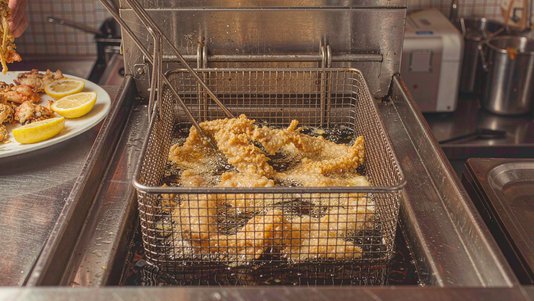
- Chicken comes out dry or uneven. Bone-in items need a method that keeps moisture in; ordinary open frying often dries them out.
- Batches wait at peak. A fryer that recovers temperature slowly creates queues during the rush.
- Results vary batch to batch. Without controlled pressure and timing, every batch tastes slightly different.
- Oil breaks down quickly. Poor filtration and poor temperature control shorten oil life and raise costs.
- Labor stays tied to the fryer. Slow, manual frying keeps a crew member at the station instead of serving guests.
What is a commercial pressure fryer?

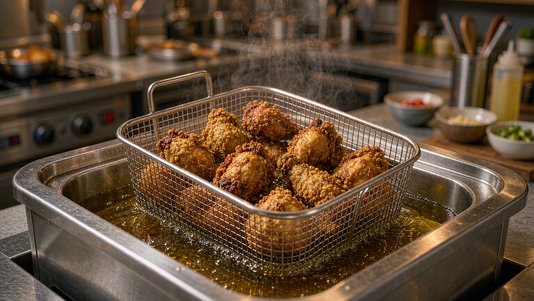
A pressure fryer cooks food inside a sealed vat under pressure. The pressure raises the cooking temperature inside, so the food cooks faster while steam keeps the meat tender and juicy — and the outside stays crispy. Consequently, pressure fryers are the standard choice for bone-in chicken, and they often handle more batches per hour than open vats.
Equipment comparison: pressure fryer vs open fryer
First, the most important choice: a sealed pressure fryer or an open deep fryer. The table below compares the two.

| Feature | Pressure Fryer | Open Fryer |
|---|---|---|
| Cooking method | Sealed vat, cooks under pressure | Open vat, cooks in free oil |
| Cook speed | Faster per batch; higher throughput | Slower per batch |
| Moisture & texture | Juicy inside, crispy outside; great for bone-in | Can dry out thicker items |
| Best menu items | Chicken, bone-in meat, larger portions | Fries, snacks, light breaded items |
| Upfront cost | Higher | Lower |
| Operation | Sealed lid, pressure cycle, timed cooking | Open loading and unloading |
In short, choose a pressure fryer when your menu centers on juicy, consistent chicken; choose an open fryer when you mostly fry fries and light items.
Gas vs electric pressure fryer
| Type | Pros | Best for |
|---|---|---|
| Gas pressure fryer | Fast heat recovery, strong heating output | Kitchens with a reliable gas supply and high output |
| Electric pressure fryer | Simpler ventilation, steady control, no gas line | Sites where gas is limited or space and ventilation are tight |
Match your choice to the local energy supply and running cost; then compare heat recovery before you decide.
How to choose the right pressure fryer
- + Size for peak volume. Match vat capacity and batch size to chicken pieces or whole birds per hour at your busiest service.
- + Check heat recovery. A fast-recovering fryer keeps batches moving; a slow one becomes the bottleneck.
- + Look at oil filtration. Built-in or easy filtration extends oil life and keeps every batch consistent.
- + Prioritize energy efficiency. In continuous use, efficient heating cuts running costs every day.
- + Check build quality. Stainless steel vat and sealed lid resist daily commercial use and hold pressure safely.
- + Plan cleaning and service. Easy cleaning and available spare parts keep uptime high.
What to check before you buy
| Criterion | Why it matters |
|---|---|
| Capacity vs peak volume | Undersized fryers queue up at rush hour. |
| Temperature recovery | Fast recovery keeps speed and consistency. |
| Oil filtration | Longer oil life means lower cost and cleaner flavor. |
| Energy source & efficiency | Match gas or electric to your site; efficiency lowers bills. |
| Pressure safety & materials | Reliable seal, stainless vat, compliant construction. |
| Service & spare parts | Downtime on a fryer stops the whole menu. |
Frequently asked questions
What is a commercial pressure fryer?
A pressure fryer cooks sealed under pressure. The pressure raises the cooking temperature inside the sealed vat, so food cooks faster while staying juicy inside and crispy outside. It suits bone-in chicken and other items that need fast, tender results.
What is the difference between a pressure fryer and an open fryer?
A pressure fryer seals under pressure and cooks faster while retaining moisture; it works best for chicken and bone-in items. An open fryer cooks in an open vat, suits fries and light items, and usually costs less upfront. Choose pressure for juicy chicken, open for quick small-batch frying.
Should I choose a gas or electric pressure fryer?
Gas models heat fast and suit kitchens with strong gas supply; electric models suit sites where gas is limited or ventilation is simpler. Match the choice to your local energy supply, running cost and installation.
How do I choose a pressure fryer capacity?
Match vat capacity and batch size to your peak volume — chicken pieces or whole chickens per hour. Size for your busiest service, check temperature recovery speed, and look at oil filtration and energy efficiency before buying.
Why does pressure frying keep chicken juicy?
Inside the sealed, pressurized vat, steam and high pressure cook the meat quickly before moisture escapes. The result is tender, juicy chicken with a crisp outer coating, instead of the dry results common with ordinary open frying.
Why Dalin for commercial pressure fryers
Consistent, high-throughput frying for your menu
Dalin Kitchen Equipment supplies commercial pressure fryers for chicken restaurants, QSRs and catering kitchens. We help you match capacity to your peak volume, choose between gas and electric, and pick models with fast recovery, good filtration and solid build. In addition, we support you with after-sales service and spare parts. If a pressure fryer does not fit your menu, we will recommend the open fryer that suits you better.
Explore the rest of your kitchen
A fryer works best as part of a planned line. For the bigger picture, read our commercial equipment buying guide, or compare dishwashing in our dishwasher selection guide.
Keep every batch consistent, even at peak

The right pressure fryer keeps chicken juicy, batches fast and oil under control. First, size capacity to your busiest hour; then check recovery, filtration and efficiency; finally, choose a reliable, serviceable machine. Do this, and your fryer stays productive through every rush instead of becoming the bottleneck.