Introduction
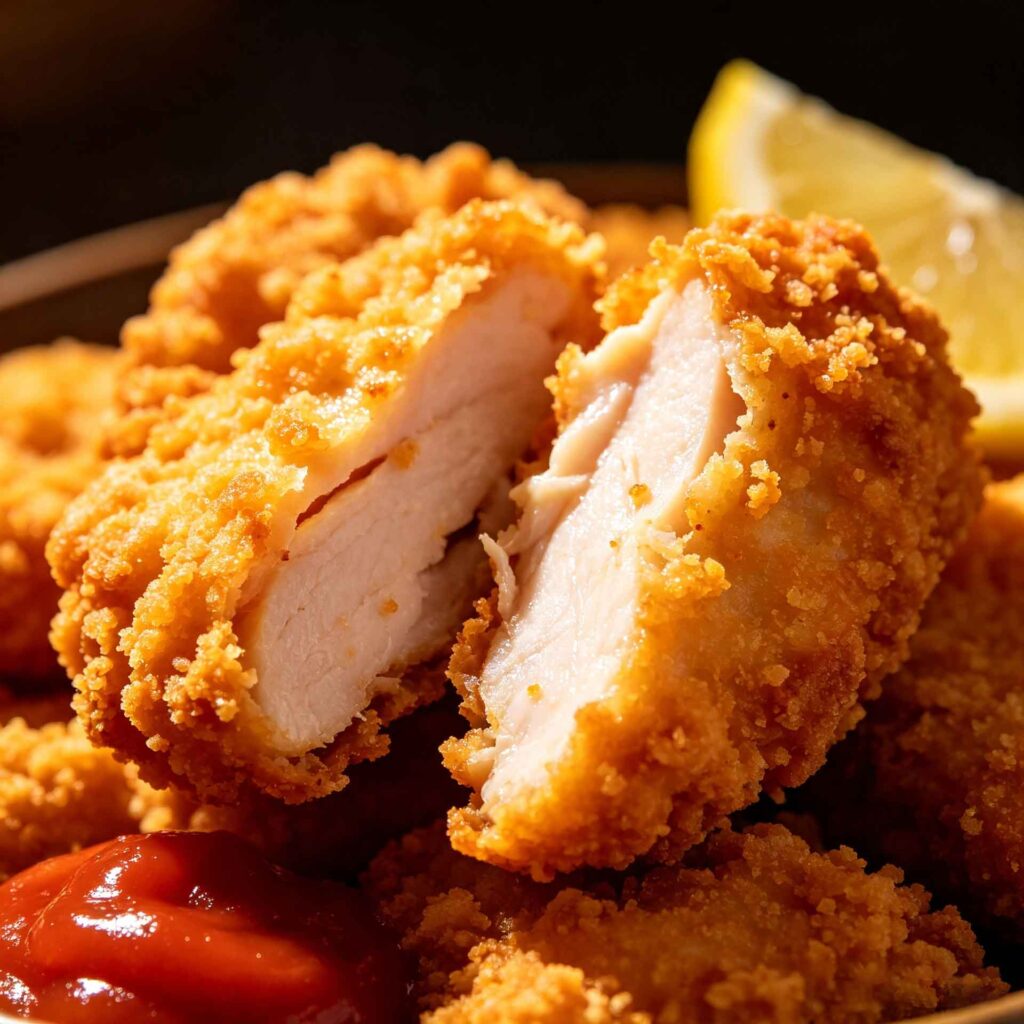
Broasted chicken is a premium fried chicken variant crafted through professional marination, specialty coating, and industrial pressure frying techniques. It is widely recognized as crispy juicy broasted chicken that stands out from regular deep-fried chicken, featuring a crunchy outer crust and tender, moist interior that satisfies global consumer taste preferences. Commercial pressure fryers are essential equipment to produce standard, high-quality broasted chicken for restaurant and catering use.
Unlike conventional open deep frying, the broasting cooking method relies on a commercial pressure fryer for restaurant use to cook chicken under precisely controlled pressure and temperature environments. This professional cooking process effectively locks in meat moisture, cuts down cooking time, and delivers uniform, consistent product quality for fried chicken restaurants, fast-food chains, and commercial catering businesses. Modern pressure frying technology has become the industry standard for premium fried chicken production worldwide.
For food service operators aiming to serve high-quality, great-tasting fried chicken, investing in a professional commercial pressure fryer is the core solution to boost operational efficiency, lower labor costs, and maintain stable flavor consistency for long-term brand development. It is the best equipment choice for restaurants wanting consistent broasted chicken.
What Is Broasted Chicken? Definition, Features & Cooking Benefits
Broasted chicken is a patented pressure frying cooking technique originally created and developed by the Broaster Company. Today, it has become a mainstream standard forcommercial fried chicken cooking and a signature menu item for catering businesses worldwide.
In short, “broasted” refers to chicken cooked via a standardized three-step process: professional pre-marination, specialty seasoning or breading coating, and pressure frying in a dedicated commercial pressure fryer. This is the core process to make low oil absorption broasted chicken.
The perfect combination of high-pressure cooking and deep frying delivers unmatched culinary results that traditional frying cannot achieve, making it the ideal way to cook restaurant-grade fried chicken:
- Golden, crunchy, and durable outer coating
- Ultra-tender, moist, and juicy chicken meat
- 30%-50% faster cooking speed than traditional frying
- Lower oil absorption for healthier, less greasy finished products
Thanks to its superior taste, less greasy texture and stable quality, broasted chicken has become a signature bestseller in various commercial scenarios, including independent fried chicken restaurants, fast food outlets, mobile food trucks, hotel kitchens, and professional catering service businesses. More business owners choose pressure frying for commercial chicken to upgrade their menu quality, as reliable pressure fryers can greatly boost restaurant profits by improving cooking efficiency and reducing long-term operating costs.
How to Make Perfect Broasted Chicken: Step-by-Step Pressure Frying Process
Traditional fried chicken only uses open hot oil to transfer heat, leading to uneven heating, severe moisture loss, and excessive oil intake. In contrast, the commercial pressure frying system adopts a fully sealed cooking chamber, which raises internal pressure during frying to lock in moisture and optimize the entire cooking effect.
The standardized broasted chicken cooking process includes three core steps that ensure crispy skin and juicy meat for every batch:
Step 1: Professional Chicken Preparation & Marination
Raw chicken is thoroughly cleaned, cut into standard portions, and marinated with customized spice formulas to infuse rich flavor. Restaurants can adjust marination recipes and ingredients according to their brand positioning and customer preferences, creating unique custom broasted chicken flavors.
Common commercial broasted chicken products include chicken wings, chicken thighs, chicken breasts, and segmented whole chicken pieces, covering most mainstream fried chicken menu items.
Step 2: Uniform Coating & Breading
The marinated chicken is evenly coated with specialty flour mixes or compound seasonings. This step forms the thick, crispy outer crust that defines classic broasted chicken, ensuring a consistent texture and appearance for every piece of chicken.
Step 3: Precision Pressure Frying
The pre-processed chicken is placed into a commercial pressure fryer for sealed high-pressure frying. During the automatic cooking cycle, the equipment maintains precise temperature and pressure control, which minimizes meat moisture loss, restricts excessive oil penetration, and greatly accelerates the cooking speed. This is why pressure fryers cook chicken faster and juicier than traditional fryers.
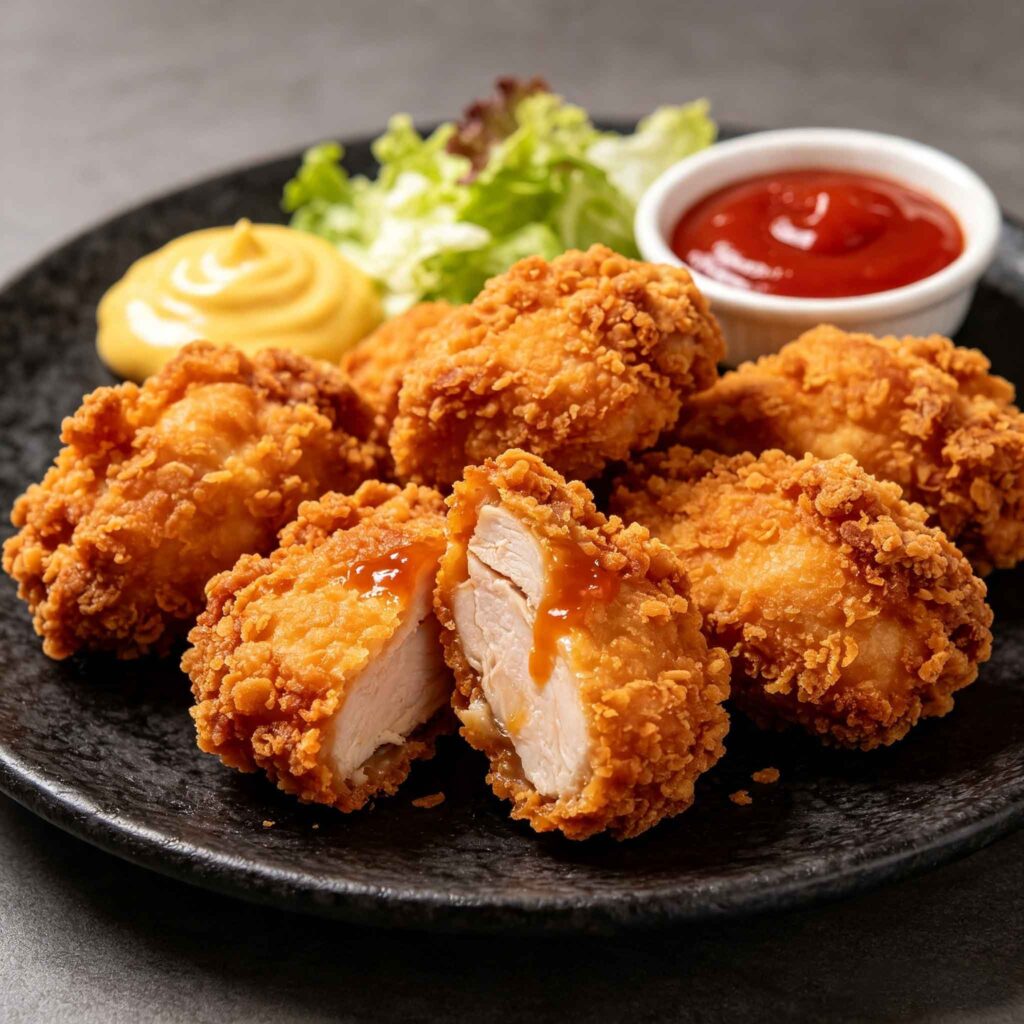
The final product features a crispy exterior, juicy interior, and 100% consistent taste and texture for every batch, solving the instability problem of manual traditional frying. It perfectly meets the high-standard output needs of commercial fried chicken businesses and is the core advantage of professional broasted chicken cooking.
Why Commercial Pressure Fryers Are Best for Broasted Chicken Business
Most fried chicken businesses face universal operational pain points, including slow peak-hour service, unstable product taste, and high operating costs. Professional commercial pressure fryers for broasted chicken perfectly solve these industry challenges and help businesses improve profitability.
Solve Peak-Hour Congestion: Speed Up Commercial Chicken Cooking
Lunch and dinner rush hours bring massive order volume, while traditional open fryers feature slow cooking speeds, leading to long customer waiting times, order backlogs, and poor dining experience. In addition, prolonged frying often causes uneven chicken doneness and inconsistent product quality.
Pressure Fryer Solution: High-efficiency commercial pressure fryers greatly improve single-batch cooking capacity, shorten overall food preparation time, and enable restaurants to quickly handle peak-hour orders without sacrificing product quality, ideal for fast-paced restaurant chicken service.
Stabilize Brand Taste: Maintain Consistent Broasted Chicken Flavor
Taste consistency is the core of fried chicken brand reputation. Manual traditional frying relies heavily on employee experience, resulting in unstable cooking times, random temperature fluctuations, and inconsistent flavor across different batches and staff shifts.
Pressure Fryer Solution: Modern commercial pressure fryers are equipped with digital intelligent temperature and pressure control systems. The fully automated cooking mode delivers repeatable, standardized cooking results, helping restaurant owners build a stable, trustworthy food brand with uniform broasted chicken taste every batch.
Reduce Operating Costs: Lower Oil Consumption for Fried Chicken
Cooking oil consumption is one of the biggest recurring operating expenses for fried chicken restaurants. Traditional open frying accelerates oil oxidation and degradation, requiring frequent oil replacement and leading to high long-term operational costs.
Pressure Fryer Solution: High-pressure sealed frying effectively reduces oil penetration into chicken meat, slowing down oil deterioration. This not only cuts oil usage and replacement frequency to improve profit margins but also produces healthier, low-grease broasted chicken with better mouthfeel, helping businesses achieve low-cost commercial fried chicken production.
Key Benefits of Commercial Pressure Fryers for Catering Businesses
Professional commercial pressure fryers are specially designed for commercial food service scenarios, meeting the high-standard production needs of various catering businesses:
1. High Production Capacity for Mass Orders
With large batch cooking capacity and fast cycling speed, pressure fryers are ideal for fried chicken chains, casual dining restaurants, food courts, star hotels, and central kitchens that require stable mass production and high-volume broasted chicken output.
2. Premium & Stable Food Quality
The sealed high-pressure cooking environment locks in chicken moisture perfectly, producing fried chicken with a crispy crust, juicy meat, and attractive golden appearance, effectively improving customer satisfaction and repurchase rate with premium quality broasted chicken.
3. Low Labor & Operation Costs
Compared with traditional frying equipment, commercial pressure fryers require minimal manual monitoring during operation. They feature simple operation logic and low learning costs, shortening employee training cycles and effectively saving enterprise labor costs for commercial fried chicken operations.
Commercial Use Cases: Where to Apply Pressure Fryers for Broasted Chicken
Fried Chicken Specialty Restaurants
Pressure fryers are the core equipment for specialty fried chicken stores, supporting the stable output of classic menu items including original broasted chicken, crispy chicken wings, drumsticks, and fried chicken sandwiches, ensuring consistent daily product quality for independent fried chicken restaurants.
Large Fast Food Chains
Fast food chain brands have strict requirements for product standardization, efficiency, and stability. Commercial pressure fryers support unified standardized production across all store locations, realizing consistent taste, portion, and quality nationwide for fast food chain fried chicken production.
Hotel & Catering Kitchens
Hotel banquet kitchens and professional catering businesses need equipment that supports continuous high-volume operation and meets strict hygiene standards. Pressure fryers provide a reliable, high-efficiency cooking solution for group dining and customized catering services, perfect for hotel and catering fried chicken service.